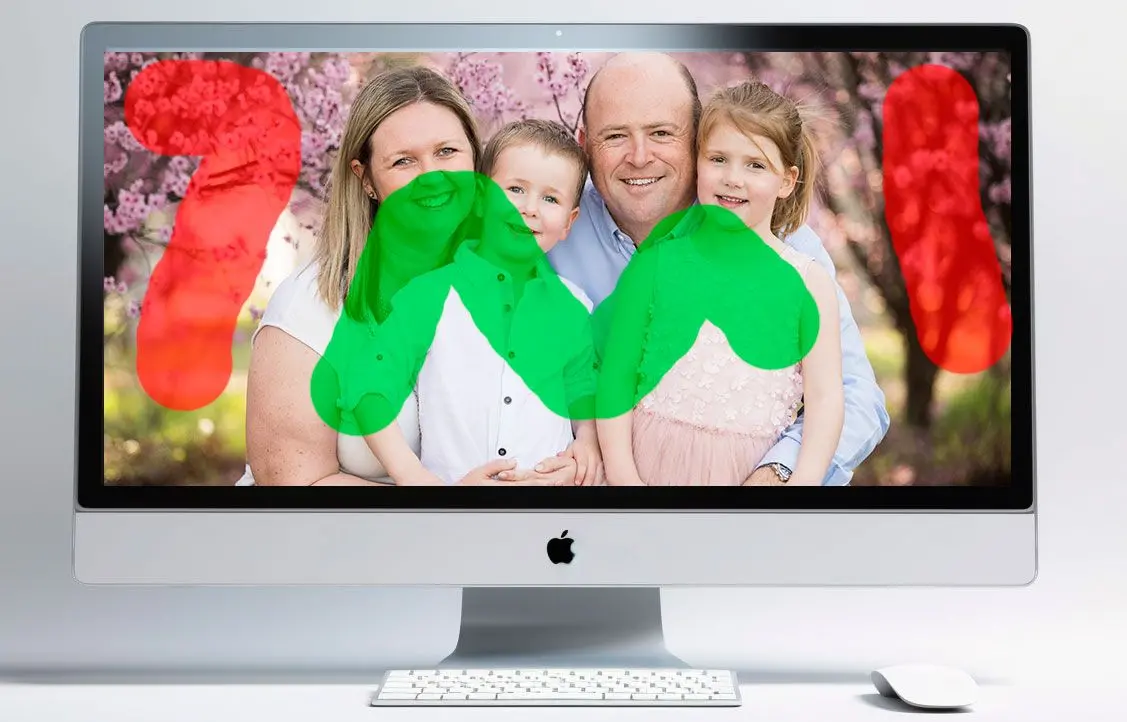
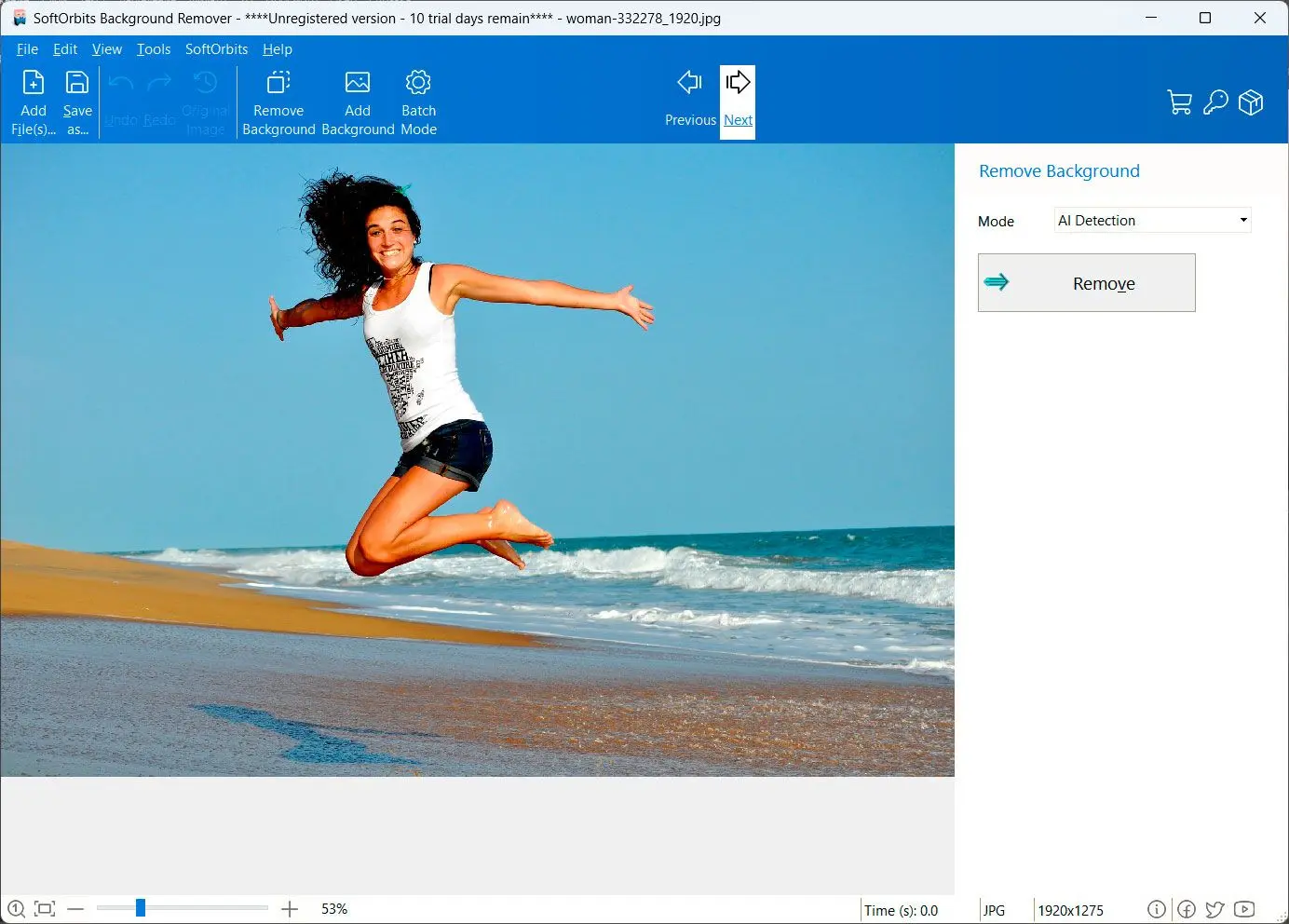
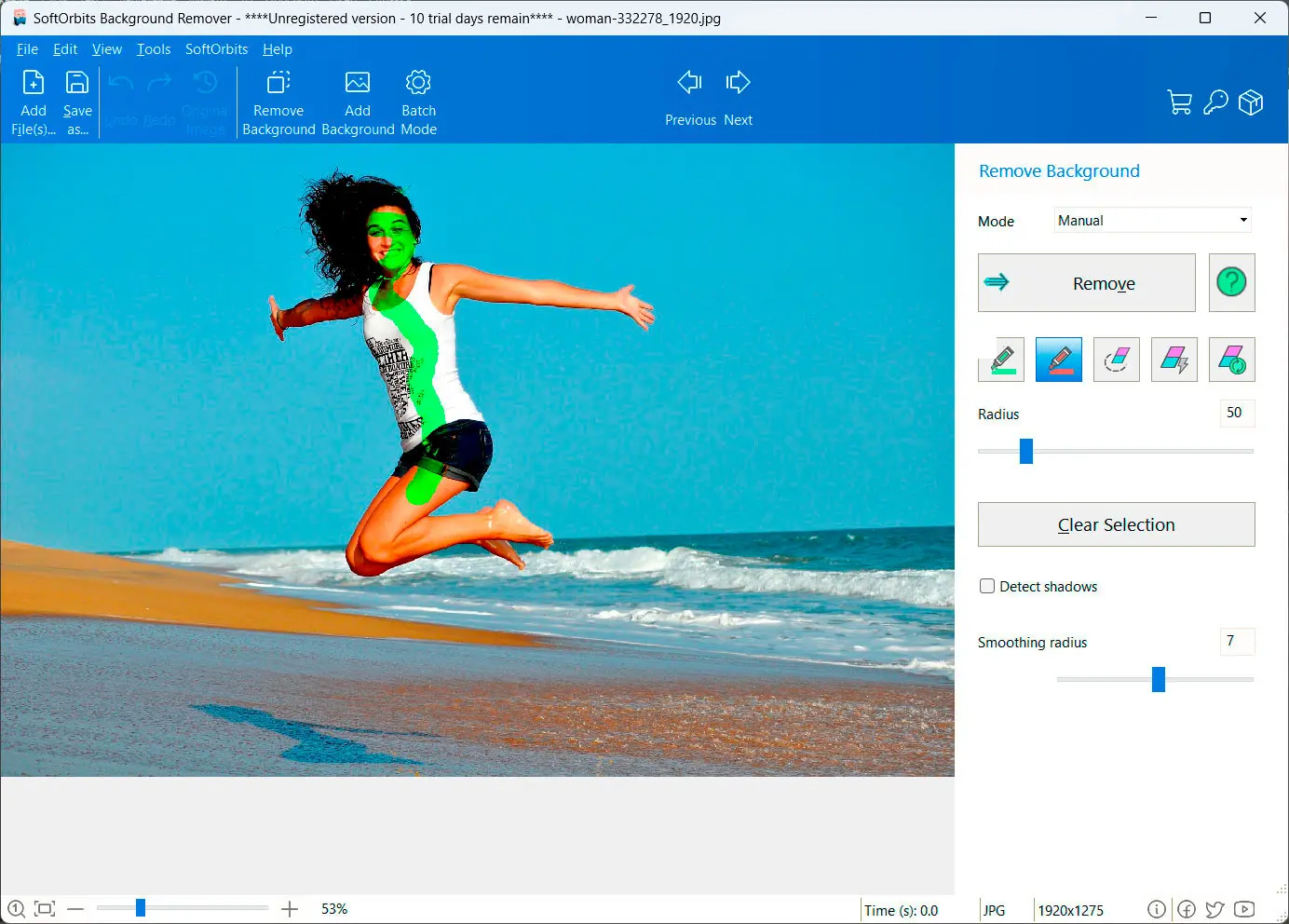
How to remove background from image: A Step-by-Step Guide
Dolphin Emulator Android: 32 Bit
If your device does not meet these requirements, the emulator will not install. Therefore, a "32 Bit Dolphin Emulator" is a myth for all practical, playable purposes.
If you are using a 32-bit device, your options are limited to older builds or unofficial community forks:
with 32-bit flags enabled, but the emulator will run in "generic" mode without hardware acceleration, making it virtually unplayable for gaming. 3. Realistic Expectations & Alternatives
Consequently, the 32-bit Android builds of Dolphin were notorious for their demanding nature. On most devices of that era, games rarely ran at full speed. Users often faced stuttering framerates, audio glitches, and frequent crashes. Despite these flaws, the existence of the software was a triumph. It proved that mobile chipsets were evolving from simple communication tools into viable gaming platforms. The 32-bit builds were not about perfect performance; they were about possibility. They demonstrated that with enough optimization, the gap between a handheld screen and a living room console could be closed. 32 Bit Dolphin Emulator Android
Third-party developers have modified Dolphin's open-source code over the years to create performance-focused forks like Dolphin MMJR, MMJR2, or Ishiiruka.
Before giving up on official Dolphin, check your system architecture using these steps:
user wants a long article about "32 Bit Dolphin Emulator Android". This likely refers to the Dolphin emulator (for GameCube and Wii) running on 32-bit Android devices. I need to cover the emulator's history, the 32-bit vs 64-bit architecture shift, why 32-bit support was dropped, and how users can still access older versions. I'll search for relevant information. search results provide a variety of information. The article should cover an introduction, technical explanation for 64-bit vs 32-bit, performance issues on 32-bit, workarounds, risks of older versions, and the future. I'll open some of the more promising results. search results provide a good amount of information. I'll structure the article with an introduction, a section on the evolution of Dolphin on Android, the shift to 64-bit, an explanation of why 32-bit support was dropped, a performance analysis, options for accessing 32-bit versions, installation and optimization tips, a look to the future, and a conclusion. I'll cite relevant sources. Now, I'll start writing. article looks at a specific chapter in the history of mobile emulation: the story of 32-bit Dolphin for Android. It explores why the software moved on, what using older 32-bit versions means for performance, and what options still exist for those with legacy devices. If your device does not meet these requirements,
The short answer is no, not in any enjoyable way.
Some users keep archives of these builds, though they are difficult to find and not officially supported.
The Best Settings on Dolphin Android | Install and Setup | 2023 Users often faced stuttering framerates, audio glitches, and
Furthermore, maintaining two separate codebases (32-bit and 64-bit) is a massive burden. Every new feature, bug fix, or optimization would have to be developed and tested twice, a process that drains development resources and slows progress for everyone. By focusing solely on 64-bit, the Dolphin team could concentrate on making the emulator faster, more compatible, and more feature-rich for the vast majority of users on modern hardware.
Go to Settings > Security > Unknown Sources and enable installation from your file manager or Chrome.
I can then recommend the best possible emulator settings or alternative consoles that your phone can comfortably handle. Share public link
 Photo Background Remover