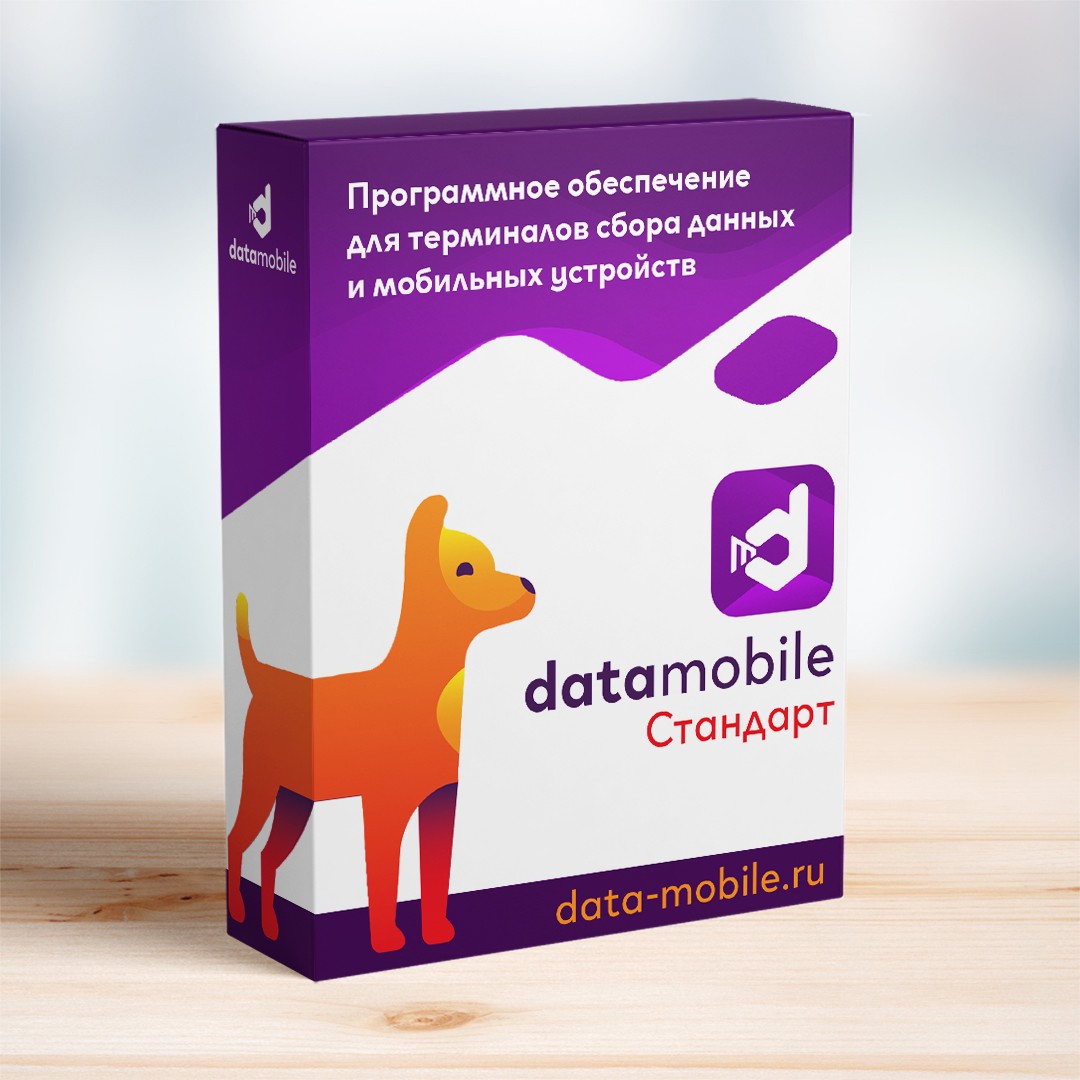
Комплекты для работы с маркировкой
Мы добавили на сайт новый раздел с терминалами сбора данных (ТСД), подходящими для работы с маркировкой товаров.

.my is the country-code top-level domain (ccTLD) for Malaysia.
If your website uses PHP and exposes database IDs in the URL, you must take steps to ensure your site does not end up in these search results for the wrong reasons. Use Prepared Statements
When an unsuspecting user clicks the link, the script executes in their browser session, potentially stealing session cookies or hijacking accounts. 3. Insecure Direct Object References (IDOR)
: This is a core Google search operator that instructs the search engine to only return results where the specified text appears directly inside the Uniform Resource Locator (URL). inurl -.com.my index.php id
Beyond immediate exploitation, the dork serves as a reconnaissance tool. It helps attackers build a map of a target's attack surface and discover potential security gaps:
Why would someone want to find PHP pages with an ID parameter while explicitly avoiding a specific country code top-level domain (ccTLD)? 1. Vulnerability Research and Scoping
The inurl: operator restricts search results to documents that contain the specified conversational string within their Uniform Resource Locator (URL). If you search inurl:login , Google only returns pages where the word "login" appears in the web address. 2. The Exclusion Sign ( - ) It helps attackers build a map of a
In this case, it removes any website ending in .com.my (the top-level domain for commercial entities in Malaysia).
Warning: This only stops future Google indexing. It does not stop attackers who already know the URL.
In the realm of cybersecurity, information gathering is the first and most critical phase of both offensive testing and defensive hardening. Among the most powerful, accessible tools for this purpose is Google Hacking—commonly known as "Google Dorking." By using specialized search operators, security researchers and malicious actors alike can filter through billions of web pages to find specific configurations, technologies, and potential vulnerabilities. Among the most powerful
This looks for a specific URL parameter, typically used in database queries to fetch dynamic content (e.g., index.php?id=12 ).
This article breaks down what this query does, why it is used, and the security risks it highlights. 1. Breakdown of the Query
When a malicious actor runs a search using this dork, they generally follow a structured exploitation methodology:
The root cause of vulnerabilities found via advanced search operators is flawed input handling.