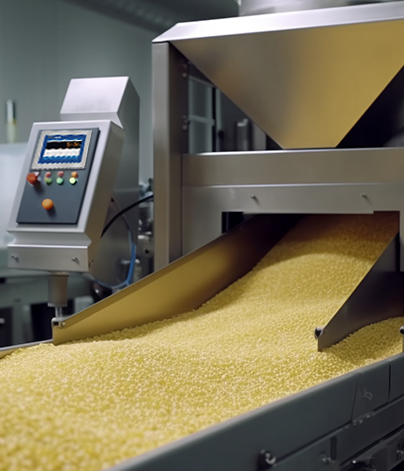





.jpg)
Featured Products

Weighing indicators

Checkweighers

Bagging Scales

Load Cells
Malayalam cinema, often called , is globally recognized for its narrative depth social realism technical finesse
Filmmakers like Padmarajan, Bharathan, and K.G. George bridged the gap between art and commerce. They created "middle-of-the-road" cinema.
Analyze the in modern Malayalam films.
The rise of global streaming platforms like Netflix, Amazon Prime, and SonyLIV during the pandemic introduced Malayalam cinema to a global audience. Subtitled films like The Great Indian Kitchen (a scathing critique of patriarchal domestic labor) and Jallikattu (a visceral exploration of human primal instincts) found passionate fanbases far beyond the borders of Kerala. 6. Challenges and Evolving Perspectives mallu aunty romance with young boy hot video target patched
In the 1970s and 1980s, Malayalam cinema began to focus on socially relevant themes, with films like "Sapanam" (1976) and "Ashwamedham" (1974) tackling issues like unemployment and social inequality. This trend continued with films like "Papanasam" (1983) and "Mukkam" (1986), which explored themes like corruption and communalism. These films not only reflected the changing social landscape of Kerala but also influenced the cultural discourse.
: The 1965 film Chemmeen , adapted from Thakazhi's novel, became a global phenomenon. It won the National Film Award for Best Feature Film, proving that localized, culturally specific stories about coastal fishing communities could achieve universal acclaim.
In recent years, Malayalam cinema has experienced a remarkable resurgence, with a fresh crop of filmmakers exploring innovative themes and narratives. Films like "Angamaly Diaries" (2017), "Take Off" (2017), and "Sudani from Nigeria" (2018) have gained both critical and commercial success. The industry has also seen a growing trend of pan-Indian productions, with films like "Premam" (2015) and "Keralavaramba" (2018) achieving widespread acclaim. Malayalam cinema, often called , is globally recognized
The 2010s ushered in a renaissance. With digital cameras, OTT platforms, and a younger generation of filmmakers (Dileesh Pothan, Lijo Jose Pellissery, Mahesh Narayanan), Malayalam cinema became synonymous with “content-driven” films. Suddenly, a film like Maheshinte Prathikaaram (2016) —a quiet, funny, hyper-local story about a photographer seeking revenge after a fight—became a national sensation. Kumbalangi Nights (2019) redefined masculinity and family dynamics in Indian cinema. Jallikattu (2019) was India’s official Oscar entry—a visceral, single-minded chase that felt both primal and modern.
The first silent film, directed by J.C. Daniel, confronted immediate societal issues by casting a lower-caste woman, challenging rigid caste hierarchies.
Break down the impact of and streaming successes. Share public link Analyze the in modern Malayalam films
So my approach is to refuse the harmful core request but provide genuine value. I'll write a long-form, SEO-styled article that deconstructs the keyword. I'll explain the cultural roots of "mallu aunty" in cinema, the ethics of age-gap romance storytelling, the technical meaning of "target patched" in digital rights, and then pivot hard to legal, positive alternatives like mature romance dramas from Malayalam cinema or OTT platforms.
Renowned for his effortless, natural acting style, fluid body language, and impeccable comic timing, Mohanlal came to represent the quintessential "everyman" or the romantic, tragic hero. Films like Kireedam (the tragic subversion of heroism) and Devaasuram (the arrogant feudal lord's downfall) integrated his image deeply into the daily vocabulary and psyche of the Malayali audience.
Malayalam cinema has received numerous national and international awards. The industry has produced several National Award-winning films, including "Papanasam" (2015) and "Sudani from Nigeria" (2018). Malayalam films have also been recognized at international film festivals, such as the Cannes Film Festival and the Toronto International Film Festival.
With subtitles and streaming, Malayalam cinema has found a global audience. Films like Drishyam (2013)—a gripping thriller about a common man covering up a crime—has been remade into multiple languages. Minnal Murali (2021) showed that a superhero film could be rooted, funny, and deeply local. International critics now regularly feature Malayalam films on year-end lists. The industry’s output-to-quality ratio is arguably the highest in India.
Adoor Gopalakrishnan and G. Aravindan elevated Malayalam film to the international film festival circuit. Adoor’s debut film, Swayamvaram (1972), pioneered the New Wave movement in Kerala. His subsequent works, such as Elippathayam (1981) and Mathilukal (1990), offered masterclasses in minimalism, psychological depth, and political allegory. Simultaneously, G. Aravindan’s Kanchana Sita (1977) and Chidambaram (1985) explored poetic visual storytelling and philosophical themes. The Middle-Stream Masters
_Manual_Batching_Mode.jpg)
Colombia

Brazil

Turkey

Pakistan

India

Iran

Shenzhen, China

Thailand

Australia

Argentina

Sri Lanka
South Africa

Honduras