Официальный дилер в Омске
Наш интернет магазин shop.grinavto.ru
Официальный дилер в Омске
Наш интернет магазин shop.grinavto.ru

Наши специалисты по техническому обслуживанию проходят специальную подготовку

Мы выполняем свою работу! Мы объясняем, что мы делаем, и держим постоянно вас в курсе происходящего.

Наше полное понимание грузовиков DAF помогает нам предупредить вас о проблемах до их возникновения.
Ваш дилер DAF обладает необходимыми навыками и опытом, которые помогут при выполнении любых работ по ремонту и техническому обслуживанию. Используя передовое диагностическое оборудование, высококвалифицированные сервисные специалисты обеспечат максимальную эффективность вашего грузовика.
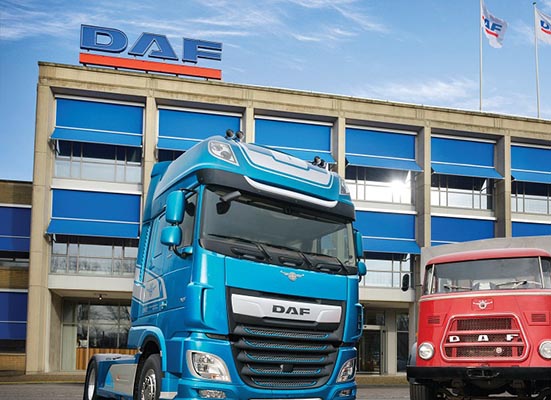
Наша компания является официальным тех.центром DAF в Омске. Мы предлагаем огромный спектр услуг по ремонту, обслуживанию грузовых автомобилей DAF
Подробнее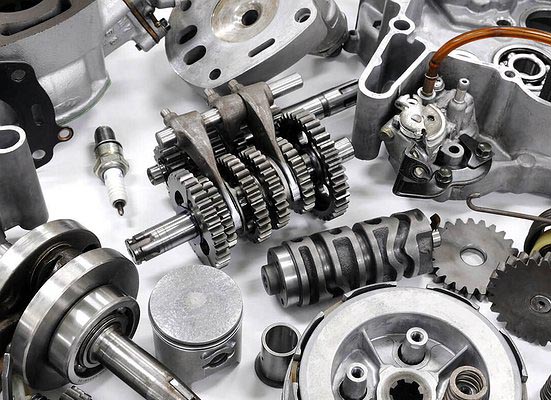
Компания работает с частными и юридическими клиентами более 9 лет. Занимаемся оптовой и розничной продажей для грузовых иномарок DAF.
Подробнее
Мы заправляем автокондиционеры.
Легковые; Грузовые; Автобусы.
Звоните любое в удобное время.
от 900 рублей.
. It explores what happens when the rigid structure of a traditional Pakistani marriage meets the "forbidden" curiosity of modern life. These narratives often center on couples who feel trapped in a cycle of domestic boredom and seek a radical spark to reignite their connection. Key Narrative Pillars 1. The "Agreement" (The Negotiation)
However, Watta Satta creates a unique, and often volatile, dynamic. The mutual exchange establishes a "shadow of mutual threat," creating a powerful deterrent against mistreatment. In theory, a husband who abuses his wife can expect his brother-in-law to retaliate by abusing his own sister in return. While this can sometimes lower divorce rates, it has a dark side: it can also lead to , where a dispute in one marriage triggers a revenge attack in the other.
In the world of South Asian digital fiction, web series, and online literature, the "Adla" (exchange or replacement) trope serves as a powerful dramatic catalyst. These narratives rarely focus on literal, forced exchanges. Instead, they utilize complex emotional setups to explore themes of sacrifice, forced proximity, and ultimate redemption.
: Heavily embroidered red lehengas and elaborate jewelry during the Baraat (wedding procession) symbolize the weight and beauty of the transition into her new role. Love as understanding - MAQSOOD - 2021 - AnthroSource Pakistani Biwi Ki Adla Badli Sex Urdu Stories
Providing further details on the desired research direction can help in expanding this overview. Share public link
The most compelling stories focus on the psychological buildup. Typically, the plot involves two married couples who are close friends. The narrative explores how the idea is introduced, the initial hesitation, and the deep conversations regarding boundaries and consent. This creates a suspenseful atmosphere before the actual climax of the story. 2. The Ripple Effect of Jealousy and Romance
Modern couples are increasingly balancing traditional family values with contemporary romantic expectations. While arranged marriages remain the norm, young Pakistani couples are prioritizing mutual compatibility, open communication, and emotional partnership over rigid, outdated familial obligations. The fascination with intense fictional marriage tropes often reflects a collective processing of these changing societal boundaries. Key Narrative Pillars 1
The romantic tension often arises from the conflict between duty and personal desire. The Evolution of Romantic Storylines 1. The Reluctant Union (From Hate to Love)
Their relationship became a beautiful example of how kindness and compassion can bring people together.
The phrase " Pakistani Biwi Ki Adla " (literally "Exchanging a Pakistani Wife") refers to a specific trope found in certain niche subgenres of South Asian digital literature and amateur storytelling. These stories often explore controversial themes of wife swapping extramarital attraction complex relationship dynamics within a conservative social framework Key Elements of These Storylines The "Adla Badli" Trope: In theory, a husband who abuses his wife
These intricate romantic storylines have found a massive, dedicated audience across South Asia and the diaspora. Serialized web fiction, YouTube audiobooks, and independent digital novels regularly garner millions of views. Audiences are drawn to the heightened emotional stakes, the subversion of classic tropes, and the nuanced exploration of modern marital challenges wrapped in culturally familiar settings.
In Pakistani culture, the term "Biwi" refers to a wife, while "Adla" means replica or second. In the context of Pakistani dramas, Biwi Ki Adla typically refers to a second wife or a woman who enters into a relationship with a married man, often with his first wife's knowledge or consent. This concept may seem unconventional to some, but it has become a common theme in Pakistani television, reflecting the complexities of relationships and societal norms.
The popularity of keywords like "Pakistani Biwi Ki Adla Badli" in romantic fiction highlights a shifting digital subculture. It shows that a segment of the audience is eager to move beyond conventional "happily ever after" tropes to explore the messy, complex, and taboo dimensions of human relationships. Whether viewed as mere escapist fantasy or a reflection of changing modern attitudes, these storylines continue to carve out a permanent, highly engaged niche in contemporary South Asian digital literature. To help tailor this article or explore this topic further,
[Family Crisis / Agreement] ──> [The Swap / Parallel Marriage] ──> [Initial Friction & Grief] ──> [Emotional Healing] ──> [True Romantic Realization] 1. The Contractual Marriage (Ahad-e-Wafaa)
Отличная ребята, налетели вытащили какую то бандуру большую, заправили кондиционер и я уехала. Быстро, оперативно,вежливо.
P.s ещё и кофем вкусным угостили!

Отличная компания, отзывчивый персонал, вежливые менеджеры. Не раз пользовались услугами сервиса и также приобретаем з/ч на свой транспорт. Молодцы так держать, очень приятно работать